Building a Routine in a New Asian City Every Month
Here's the raw truth: that first day in a new city is a write-off. You land, you're jet-lagged, it's a thousand degrees, your SIM card won't work, and Google Maps is leading you in circles. Your grand plan to "hit the ground running" with a perfect routine? Forget it. Trying to force a schedule on day one is a recipe for burnout and resentment. That's not adapting—that's just importing your stress. Give yourself 48 hours of pure, unadulterated chaos. Wander. Get lost. Eat something questionable from a street cart. Let the place wash over you first. The routine comes after you've stopped seeing it as a puzzle to solve and started feeling it as a place to live.
The "Third Place" Isn't a Co-Working Space
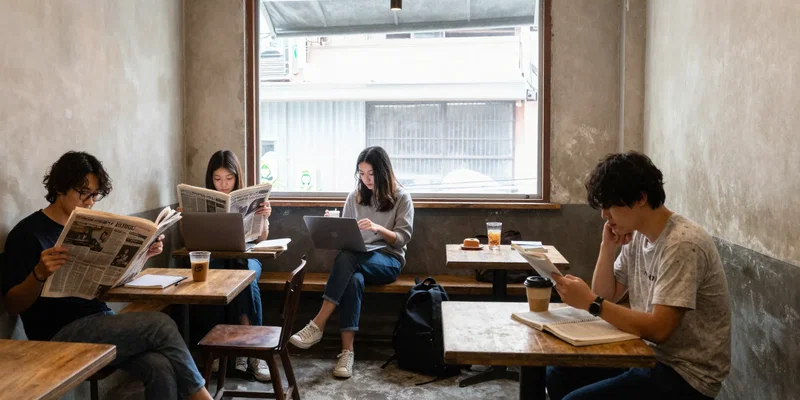
You need a base. A spot that isn't your expensive, tiny Airbnb and isn't a soulless, overpriced co-working hub. You need what urban planners call a "third place." For me, it's always a specific coffee shop. Not a chain, but a local one. I find it by day three. I become a regular for the month. The barista learns my order. I get a good table near an outlet. Suddenly, I have a home. This is the single biggest anchor for a nomad routine. It provides structure: "I'm at my spot from 9 AM to noon." It provides social texture, even without talking to anyone. It's your tiny piece of territory in a vast, unknown city. Find yours.
The Work Blocks Are Non-Negotiable
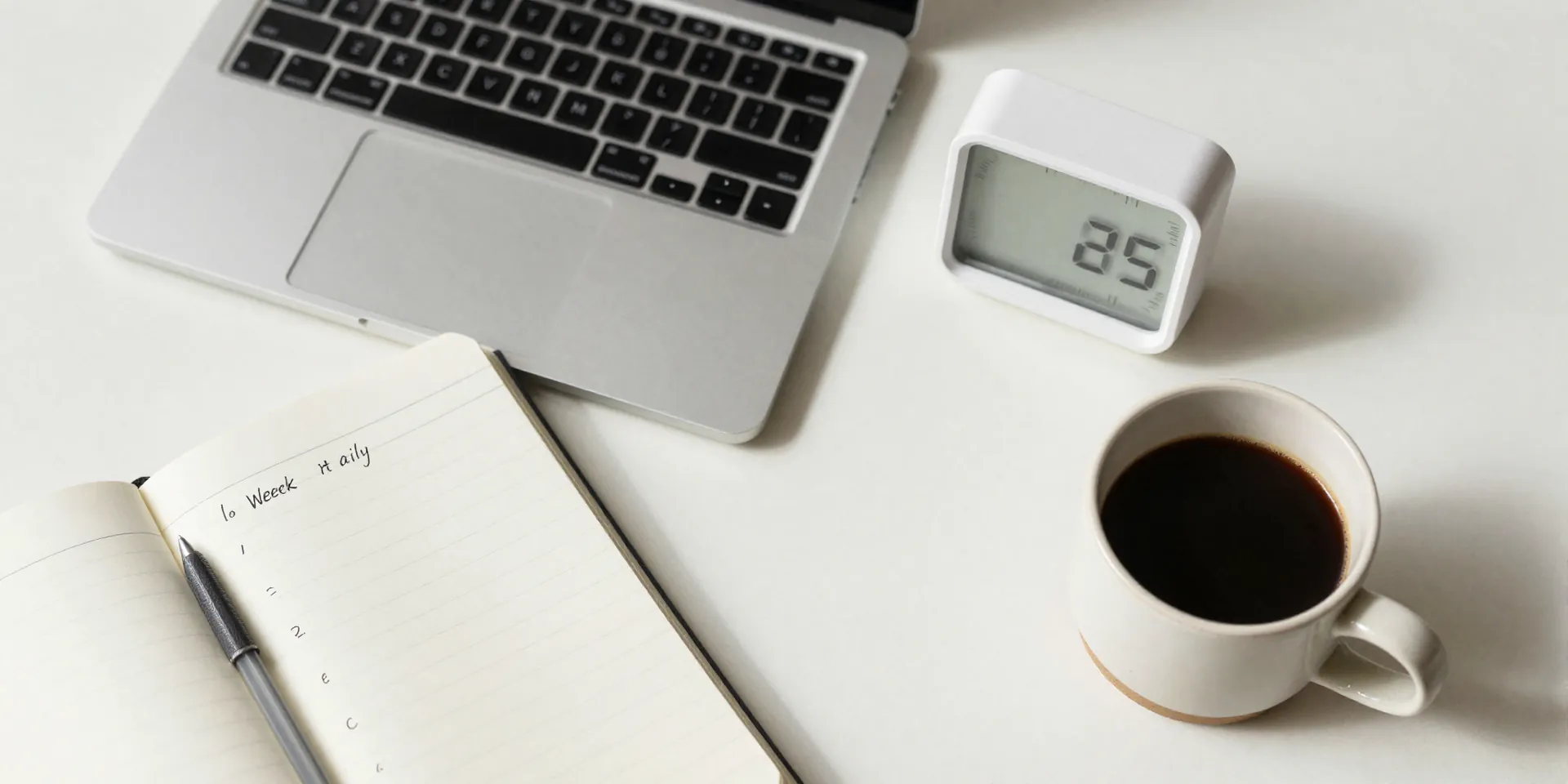
This is where solo productivity lives or dies. Inspiration is a myth. Discipline is the engine. I operate on ruthless time-blocking. Two or three deep work blocks in the morning, right there in my "third place." I use a physical timer. Phone in the bag. For 90-120 minutes, I don't exist. The city outside could be having a parade, I wouldn't know. This is non-negotiable. The freedom of nomad life is funded by these blocks of intense focus. Without them, you're just a tourist with a laptop, constantly anxious about deadlines. With them, your afternoons are truly free for exploration without guilt. It's simple, but it's everything.
Routine is the Scaffolding, Not the Building
A lot of people get this wrong. They think a routine is a rigid prison. Actually, it's the opposite. My morning work block is the unshakable pillar. Because that's locked in, everything else is flexible fluid. That museum visit? It can happen at 2 PM or 6 PM. That spontaneous invitation to a local dinner? I can say yes. My routine isn't a minute-by-minute schedule. It's a framework. Work gets done in the dedicated slot. Everything else—food, culture, exploration, sleep—fills in the spaces around it. The structure enables the freedom. Without the scaffold, the whole thing collapses into a hazy, unproductive blob.
Embrace the Monthly Reset Button
Here's the beautiful part you don't get with a static life: the built-in refresh. That thing in your routine that's not working? That cafe with the terrible wifi? That gym that's too far? Guess what—in 30 days, it's gone. You get to hit the reset button. The last week of each month, I audit what worked and what sucked. The next city is a blank slate. You get to optimize. Find a better neighborhood. A better cafe. A better route for your morning walk. This constant, gentle iteration is the secret sauce. You're not stuck with your bad habits. You get to design a new, slightly better version of your life, every single month. It keeps you sharp. It keeps you from getting complacent.